
Chemical Peels
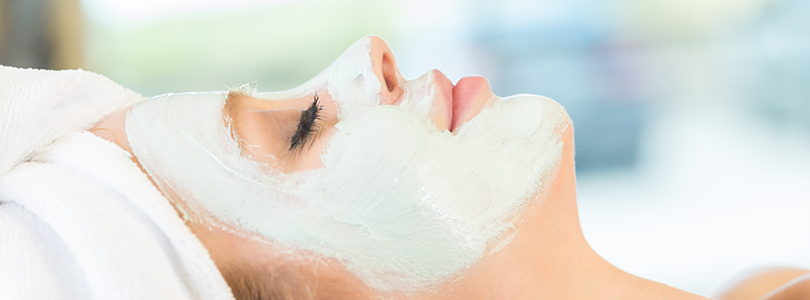
What Are Chemical Peels?
Chemical peels use a chemical solution to improve and smooth the texture of the facial skin by removing its damaged outer layers. It is helpful for those individuals with facial blemishes, wrinkles and uneven skin pigmentation. Phenol, trichloroacetic acid (TCA), and alpha hydroxy acids (AHAs) are used for this purpose. The precise formula used may be adjusted to meet each patient’s needs. Although chemical peel may be performed in conjunction with a facelift, it is not a substitute for such surgery, nor will it prevent or slow the aging process.
Reasons for Chemical Peels
Chemical peels are most commonly performed for cosmetic reasons — to enhance your appearance and self-confidence. A chemical peel may also remove pre-cancerous skin growths, soften acne facial scars and even control acne. In certain cases, health insurance may cover the peel procedure.
Types of Chemical Peels
At Associated Plastic Surgeons & Consultants, we offer a variety of chemical peels. These include:
- Alpha-hydroxy Acids
- Trichloroacetic Acid
- Phenol
What are Alpha-hydroxy Acids (AHAs)?
(AHAs), such as glycolic, lactic, or fruit acids are the mildest of the peel formulas and produce light peels. These types of peels can provide smoother, brighter-looking skin for people who can’t spare the time to recover from a phenol or TCA peel. AHA peels may be used to treat fine wrinkling, areas of dryness, uneven pigmentation, and acne. Various concentrations of an AHA may be applied weekly or at longer intervals to obtain the best result. Your doctor will make this decision during your consultation and as the treatment proceeds. An alphahydroxy acid, such as glycolic acid, can also be mixed with a facial wash or cream in lesser concentrations as part of a daily skincare regimen to improve the skin’s texture.
AHA peels may cause stinging, redness, irritation, and crusting. However, as the skin adjusts to the treatment regimen, these problems will subside.
Uses:
- Smooths rough, dry skin and improves the texture of sun-damaged skin
- Aids in control of acne
- Can be mixed with bleaching agents to correct pigment problems
- Can be used as TCA pre-treatment
Considerations:
- A series of peels may be needed to achieve your goals
- As with all peel treatments, sunblock is recommended prior, during, and after treatment
What is Trichloroacetic Acid?
(TCA) can be used in many concentrations, but it is most commonly used for medium-depth peeling. Fine surface wrinkles, superficial blemishes, and pigment problems are commonly treated with TCA. The results of TCA peel are usually less dramatic than and not as long-lasting as those of a phenol peel. In fact, more than one TCA peel may be needed to achieve the desired result. The recovery from a TCA peel is usually shorter than with a phenol peel.
With a TCA peel, your healed skin will be able to produce pigment as always; the peel will not bleach the skin. However, TCA-peel patients are advised to avoid sun exposure for several months after treatment to protect the newly formed layers of skin. Even though TCA is milder than phenol, it may also produce some unintended color changes in the skin. Trichloroacetic Acid (TCA) can be used in many concentrations, but it is most commonly used for medium-depth peeling. Fine surface wrinkles, superficial blemishes, and pigment problems are commonly treated with TCA. The results of TCA peel are usually less dramatic than and not as long-lasting as those of a phenol peel. In fact, more than one TCA peel may be needed to achieve the desired result. The recovery from a TCA peel is usually shorter than with a phenol peel.
Uses:
- Smooths fine surface wrinkles
- Removes superficial blemishes and corrects pigment problems
Considerations:
- Can be used on the neck or other body areas
- May require pre-treatment with Retin-A or AHA creams
- Treatment takes only 10-15 minutes
- Preferred for darker-skinned individuals
- Peel depth can be adjusted
- Repeat treatment may be needed for maximum effect and to maintain results
- Healing is much quicker than with a phenol peel.
What is Phenol?
Phenol is the strongest of the chemical solutions and produces a deep peel. It is used mainly to treat patients with coarse facial wrinkles, areas of blotchy or damaged skin caused by sun exposure, or pre-cancerous growths. Since phenol sometimes lightens the treated areas, your skin pigmentation may be a determining factor as to whether or not this is an appropriate treatment for you. Phenol is primarily used on the face; scarring may result if it’s applied to the neck or other body areas.
With a phenol peel, the new skin frequently loses its ability to make pigment (that is, tan). This means that not only will the skin be lighter in color, but you’ll always have to protect it from the sun. Phenol may pose a special risk for patients with a history of heart disease. It’s important that you make your surgeon aware of any heart problems when your medical history is taken.
It is also possible that phenol will cause some undesired cosmetic results, such as uneven pigment changes. Certain modified phenol peels are gentler and may be preferred in some circumstances.
Uses:
- Corrects blotches caused by sun exposure, birth control pills, and aging
- Smooths coarse wrinkles
- May remove pre-cancerous growths
Considerations:
- Used only on the face
- Not recommended for dark-skinned individuals
- Procedure may pose risk for patients with heart problems
- Full face treatment may take one hour or more
- Recovery may be shown and as long as 2 weeks and several months for complete healing
- May permanent remove facial freckles
- Sun protection must always be used
- Dramatic and long-lasting results
- Permanent skin lightening and lines of demarcation may occur.
How Can I Prepare for My Chemical Peel?
After a thorough and careful evaluation, Dr. Duboys will instruct you on how to prepare for your peel treatment.
Sometimes Retin A – a prescription medication derived from Vitamin A – is used to pre-treat the skin. This thins out the skin's surface layer, allowing the TCA solution to penetrate more deeply and evenly. If your skin won’t tolerate Retin-A pre-treatment, an AHA cream may be used instead.
Hydroquinone, a bleaching agent, is sometimes used in conjunction with Retin-A or AHA pre-treatment, especially if you have blotchy skin areas or pigmentation problems. You may have to spend a month or more in the pre-treatment phase before the doctor will schedule your actual peel.
You will need to arrange for someone to drive you home and help you out for a day or two if you are having a phenol or deeper TCA peel. It probably won't be necessary for any extra assistance if you’re having an AHA peel or superficial TCA peel.
Where Will My Chemical Peel Be Performed?
Most chemical peels may be safely performed in the office. Dr. Duboys may want you to stay overnight in a facility or hospital if other cosmetic procedures are performed simultaneously.
Will I Need Anesthesia?
Anesthesia isn't required for phenol or TCA peels because the chemical solution acts as an anesthetic. However, sedation may be used before and during the procedure to relax you and keep you comfortable. No anesthesia is needed for AHA peels since they cause only a slight stinging sensation during application.
Recovery After Chemical Peels
AHA Peel
After an AHA peel, it is common to experience some temporary flaking or scaling, redness and dryness of the skin. However, these conditions will disappear as the skin adjusts to treatment. With an AHA peel, the temporary redness, flaking and dryness that you experience will not prevent you from working or engaging in your normal activities. A fresher and improved skin texture will result with continued AHA treatments. Remember, protecting your skin from the sun is also important following these mild acid peels. Ask your doctor to recommend a sunblock with adequate UVA and UVB protection and use it every day.
TCA Peel
A TCA peel may also cause significant swelling, depending upon the strength of the peel used. With a TCA peel, the moderate discomfort and mild swelling you may experience will subside within the first week. In about a week to ten days, your new skin will be apparent and you should be healed sufficiently to return to your normal activities. It is best to avoid sun exposure unless you are adequately protected.
Phenol Peel
If you’ve had a phenol peel, your face may become quite swollen. Your eyes may even be swollen shut temporarily. You will need someone to help care for you for a day or two. You may also be limited to a liquid diet and advised not to talk very much during the first few days of recovery. With a phenol peel, new skin will begin to form in about seven to ten days. Your face will be very red at first, gradually fading to a pinkish color over the following weeks to months. During this time, it is especially important that you use a sunblock or blotchy, irregular skin coloring may result.
After a phenol or TCA peel, your doctor may prescribe a mild pain medication to relieve any tingling or throbbing you may feel. Dr. Duboys will remove any tape after a day or two. A crust or scab will form on the treated area. To help your face heal properly, it is essential that you follow your doctor’s specific post-operative instructions. About two weeks after treatment with TCA or Phenol, you may return to work and resume some of your normal activities. Your skin will be healed enough for you to wear makeup. (For makeup tips, ask your plastic surgeon for the ASPS brochure on camouflage cosmetics.)
Chemical Peel Results
Your new look Improvements from AHA peels may be very subtle at first. You may detect a healthier glow to your skin. With continued treatments, you will notice a general improvement in the texture of your skin.
The results of a TCA peel are usually not as long-lasting as those of phenol peel. However, your skin will be noticeably smoother and fresher-looking. If you’re planning a phenol peel, you can expect dramatic improvement in the surface of your skin – fewer fine wrinkles, fewer blemishes and more even-toned skin. Your results will be long-lasting, although not immune to the effects of aging and sun exposure.
Risks of Chemical Peels
All chemical peels carry some uncertainty and risk. A chemical peel is normally a safe procedure when performed by a qualified, experienced plastic surgeon. However, some unpredictability and risks such as infection and scarring, while infrequent, are possible.
Caveat Emptor
In some states, no medical degree is necessary to perform a chemical peel – even the strongest phenol peels. Many states have laws that permit non-physicians to administer certain peel solutions, but regulate the strengths which they can apply. You should be warned that phenol and TCA peels have been offered by inadequately trained practitioners claiming "miracle techniques" to rejuvenate the skin.
It is very important that you find a physician who has adequate training and experience in skin resurfacing. Your plastic surgeon may offer you a choice of peel techniques or suggest a combination of peels to obtain the best result for you.
During your initial consultation, it is important that you discuss your expectations with your plastic surgeon. Don't hesitate to ask any questions or express any concerns that you may have. Expect your plastic surgeon to explain the planned procedure in detail, including its risks and benefits, the recovery period and the costs. If you have a history of herpes, you should inform your physician prior to the procedure. Remember, medical insurance doesn't usually cover chemical peel treatments unless they are for medical problems.
Schedule a Consultation
If you would like to schedule a consultation for a chemical peel, contact our Huntington office today! Call (631) 423-1000 to schedule a consultation with Long Island plastic surgeon Dr. Elliot Duboys.
